AI-Powered Full Stack Web Development with Best Practices
Introduction
The world of web development is evolving at an unprecedented pace. What once required weeks of coding, debugging, testing, and deployment can now be accomplished significantly faster with the help of Artificial Intelligence (AI). Today, AI is not replacing developers, it is empowering them to build smarter, more efficient, and highly scalable applications.
Full-stack development has traditionally required expertise in frontend technologies, backend systems, databases, APIs, deployment pipelines, and security practices. Modern AI tools are now assisting developers at every stage of the software development lifecycle, from writing code and generating UI components to automating testing and optimizing deployments.
Organizations worldwide are rapidly adopting AI-assisted development workflows to increase productivity, reduce development costs, and accelerate product delivery. As a result, developers who combine full-stack expertise with AI capabilities are becoming some of the most sought-after professionals in the technology industry.
For aspiring developers and professionals looking to upgrade their skills, platforms such as ICT Skills India provide practical training in web development, programming, AI, data science, and modern technology stacks that align with current industry requirements.
In this comprehensive guide, we will explore how AI is transforming full-stack web development, the best tools available today, efficient workflows, and industry best practices for building future-ready applications.
Understanding Full-Stack Web Development
A full-stack developer is responsible for building and maintaining both the client-side and server-side components of a web application.
The frontend focuses on everything users interact with, including:
- User interfaces
- Responsive layouts
- Navigation systems
- Interactive components
- User experience optimization
Popular frontend technologies include:
- HTML5
- CSS3
- JavaScript
- React.js
- Angular
- Vue.js
The backend handles:
- Business logic
- Authentication
- APIs
- Database operations
- Security
- Server management
Common backend technologies include:
- Node.js
- Express.js
- Django
- Laravel
- Spring Boot
- ASP.NET
Databases such as MongoDB, PostgreSQL, MySQL, and Redis complete the full-stack ecosystem.
Modern industry training programs increasingly combine these technologies with AI-powered development workflows to prepare developers for real-world software engineering environments.
Why AI is Reshaping Full-Stack Development?
Artificial Intelligence has moved beyond simple automation. Modern AI tools can:
- Generate production-ready code
- Explain complex programming concepts
- Detect bugs
- Create test cases
- Optimize database queries
- Improve security
- Generate documentation
- Assist in deployment
Research from modern AI-integrated development programs shows that AI-enhanced workflows are becoming a core part of industry-ready full-stack development education.
Instead of spending hours writing repetitive code, developers can focus on solving business problems, designing better architectures, and improving user experiences.
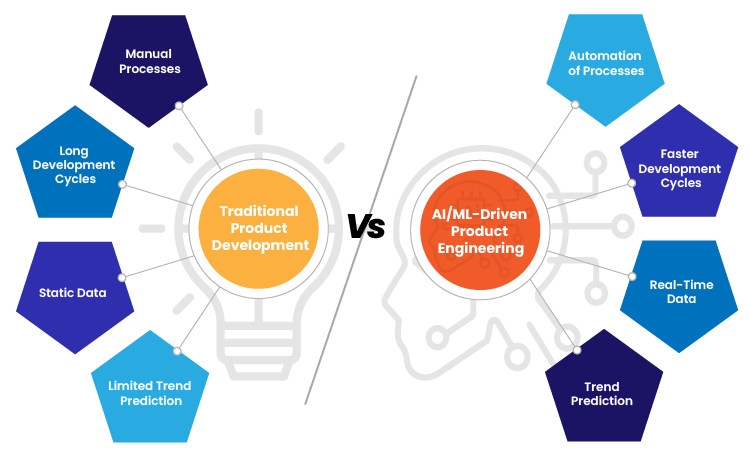
The role of developers is shifting from manual coding to AI-assisted software engineering.
Essential AI Tools for Full-Stack Developers
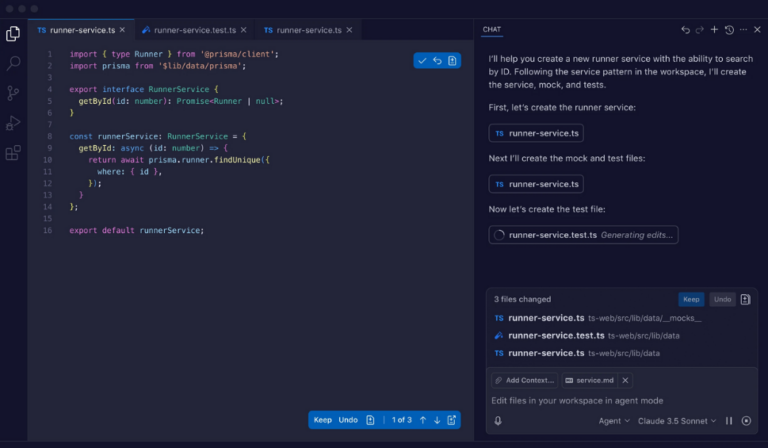
GitHub Copilot is one of the most widely adopted AI coding assistants.
Key benefits:
- Code completion
- Function generation
- Documentation support
- Bug fixing suggestions
- Faster development
Developers can generate boilerplate code in seconds and significantly improve productivity.
ChatGPT has become a powerful development companion.
Developers use it for:
- Code explanations
- API integrations
- Algorithm optimization
- Debugging
- Architecture planning
- Learning new frameworks
It acts as an intelligent programming assistant available throughout the development lifecycle.
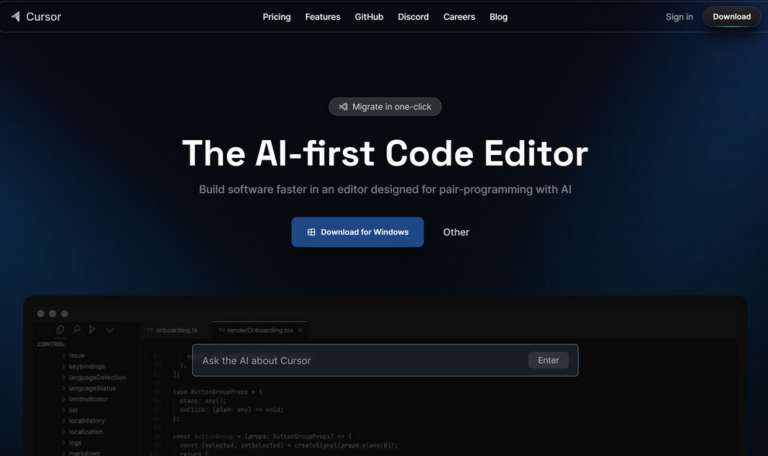
Cursor combines code editing with AI-powered programming support.
Features include:
- Context-aware coding
- Refactoring assistance
- Code generation
- Project understanding
- Error resolution
Many developers now use Cursor as a primary AI-first development environment.
Claude is particularly effective for:
- Large codebase analysis
- Technical documentation
- Architecture discussions
- Code reviews
- Security recommendations
It helps teams manage complex enterprise applications efficiently.
For developers building AI-powered products, Vercel AI SDK simplifies:
- LLM integrations
- AI chat interfaces
- Streaming responses
- AI agent development
This enables rapid deployment of AI-enabled web applications.
AI-Powered Frontend Development
Frontend development has benefited enormously from AI assistance.
Faster UI Creation
AI tools can generate:
- Landing pages
- Dashboards
- Navigation menus
- Forms
- Responsive layouts
Developers can transform design ideas into working interfaces much faster.
Improved User Experience
AI helps analyze:
- User behavior
- Heatmaps
- Conversion funnels
- Engagement patterns
These insights help optimize interfaces for better customer satisfaction.
Accessibility Improvements
AI tools can automatically:
- Suggest alt text
- Improve color contrast
- Detect accessibility issues
- Enhance screen reader compatibility
This creates more inclusive web experiences.
AI-Powered Backend Development
Backend systems are becoming increasingly intelligent.
API Development
AI assists with:
- Endpoint generation
- Request validation
- Error handling
- Documentation creation
This reduces repetitive coding tasks.
Database Optimization
AI can:
- Analyze queries
- Suggest indexing strategies
- Detect bottlenecks
- Improve performance
Applications become faster and more scalable.
Security Enhancements
Security remains critical for modern applications.
AI tools help identify:
- Vulnerabilities
- Injection risks
- Authentication flaws
- Dependency issues
This proactive approach strengthens application security.
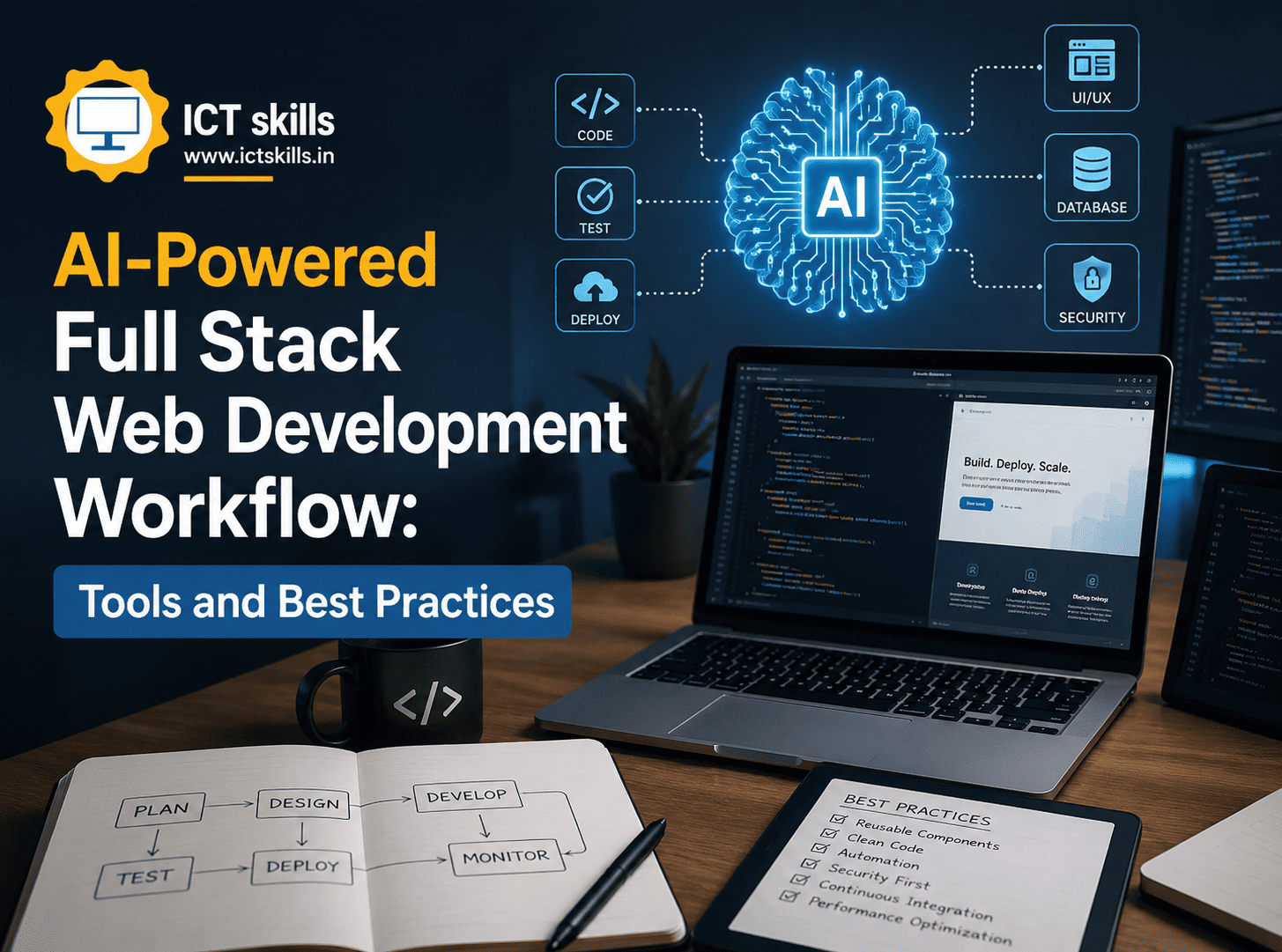
Modern AI Development Workflow
Successful teams are integrating AI into every development phase.
Step 1: Requirement Analysis
Developers use AI to:
- Generate project plans
- Create technical specifications
- Estimate complexity
- Identify risks
Step 2: Architecture Design
AI helps visualize:
- System architecture
- Database schemas
- API structures
- Microservices communication
This leads to better planning and scalability.
Step 3: Code Generation
Developers collaborate with AI to:
- Build components
- Create APIs
- Generate utilities
- Write documentation
Human oversight remains essential for quality assurance.
Step 4: Testing
AI can generate:
- Unit tests
- Integration tests
- Edge case scenarios
- Performance benchmarks
Testing coverage improves significantly.
Step 5: Deployment
AI assists with:
- CI/CD pipelines
- Cloud configuration
- Infrastructure monitoring
- Error detection
Deployment becomes faster and more reliable.
Best Practices for Full-Stack Development with AI
Always Review AI-Generated Code
AI can make mistakes.
Developers should:
- Validate logic
- Verify security
- Review performance
- Test functionality
Human expertise remains indispensable.
Maintain Strong Programming Fundamentals
AI enhances development but does not replace foundational knowledge.
Developers should master:
- Data structures
- Algorithms
- Database design
- System architecture
- Networking concepts
These skills enable effective AI utilization.
Prioritize Security
Never blindly trust generated code.
Review:
- Authentication mechanisms
- Input validation
- API permissions
- Data handling practices
Security-first development remains essential.
Use Version Control Effectively
Git continues to be a critical component of modern workflows.
Best practices include:
- Frequent commits
- Pull requests
- Code reviews
- Branch management
AI-generated changes should follow the same review standards as human-written code.
Document Everything
AI tools can generate documentation quickly.
Maintain:
- API documentation
- Project architecture diagrams
- Deployment guides
- Development standards
Clear documentation improves collaboration and scalability.
AI Integration in Modern Full-Stack Applications
The next generation of web applications increasingly includes AI features.
Examples include:
- AI chatbots
- Recommendation engines
- Predictive analytics
- Content generation
- Intelligent search
- Customer support automation
Businesses are leveraging AI to improve user engagement and operational efficiency.
As a result, developers with both full-stack and AI integration skills are becoming highly valuable across industries. Training institutions now offer specialized programs combining MERN Stack, React, Node.js, machine learning, and generative AI workflows to meet this growing demand.
Career Opportunities in AI-Powered Full-Stack Development
The demand for AI-enabled developers continues to rise globally.
Popular career paths include:
Full-Stack Developer
Build complete web applications using modern frontend and backend technologies.
AI Application Developer
Create intelligent applications powered by machine learning and generative AI.
Software Engineer
Develop enterprise-scale solutions integrating AI services.
Frontend Engineer
Design highly interactive AI-enhanced user experiences.
Backend Engineer
Build scalable APIs and AI-powered services.
Technical Consultant
Guide organizations through AI transformation initiatives.
Industry-focused training programs increasingly emphasize project-based learning, real-world applications, and AI-assisted development methodologies to prepare students for these evolving opportunities.
Future Trends in AI and Full-Stack Development
Several trends are shaping the future of software development:
AI Agents
Autonomous coding agents will handle increasingly complex tasks.
Natural Language Programming
Developers will build applications through conversational prompts.
Intelligent Testing
AI-generated testing frameworks will become more sophisticated.
Automated DevOps
Infrastructure management will become increasingly autonomous.
Personalized User Experiences
Applications will adapt dynamically based on user behavior.
Organizations investing in AI-powered development today will gain significant competitive advantages in the coming years
Why Learning Full-Stack Development with AI Matters?
The combination of full-stack development and AI represents one of the most powerful skill sets in today’s technology landscape.
Companies need professionals who can:
- Build scalable applications
- Integrate AI services
- Automate workflows
- Improve user experiences
- Deploy production-ready systems
Learning both disciplines creates strong career opportunities while preparing developers for the future of software engineering.
Institutions like ICT Skills India are helping learners build expertise across web development, frontend frameworks, backend technologies, AI, machine learning, and industry-relevant programming tools through structured training and practical project experience.
Conclusion
Artificial Intelligence is fundamentally transforming full-stack web development. From code generation and debugging to testing, deployment, and application intelligence, AI is accelerating every stage of the software development lifecycle.
The most successful developers in 2026 and beyond will not be those who simply use AI tools, but those who understand how to combine technical expertise, software engineering principles, and AI-powered workflows effectively.
By mastering modern frameworks, adopting AI-assisted development practices, and following industry best practices, developers can build faster, smarter, and more scalable applications while remaining highly competitive in a rapidly evolving job market.
The future belongs to developers who can seamlessly blend human creativity, engineering excellence, and artificial intelligence into innovative digital solutions.
Frequently Asked Questions (FAQs)
- What is Full-Stack Web Development with AI?
Full-stack web development with AI refers to building and managing both the frontend and backend of web applications while leveraging artificial intelligence tools to assist with coding, debugging, testing, deployment, and application optimization. AI helps developers work faster and more efficiently throughout the software development lifecycle.
- How is AI transforming full-stack web development?
AI is transforming full-stack development by automating repetitive tasks, generating code, detecting bugs, creating test cases, optimizing database queries, improving security, and assisting with deployment. This enables developers to focus more on problem-solving and innovation.
- What are the best AI tools for full-stack developers?
Some of the most popular AI tools for full-stack developers include:
- GitHub Copilot
- ChatGPT
- Cursor AI
- Claude AI
- Vercel AI SDK
- Tabnine
- Amazon CodeWhisperer
These tools help with coding assistance, debugging, documentation, testing, and AI integration.
- Can AI replace full-stack developers?
No, AI cannot fully replace full-stack developers. While AI can automate many coding tasks, developers are still needed for architecture design, business logic, decision-making, security reviews, user experience design, and project management. AI serves as a productivity-enhancing tool rather than a replacement.
- Which programming languages are important for AI-powered full-stack development?
The most commonly used programming languages include:
- JavaScript
- TypeScript
- Python
- Java
- PHP
- C#
JavaScript and Python are particularly valuable due to their strong ecosystems for web development and AI integration.
- What skills are required to become an AI-powered full-stack developer?
Key skills include:
- HTML, CSS, and JavaScript
- React.js or Angular
- Node.js and Express.js
- Database management (MongoDB, MySQL, PostgreSQL)
- REST APIs and GraphQL
- Git and GitHub
- AI tools and prompt engineering
- Cloud deployment and DevOps basics
- How can AI improve frontend development?
AI can help frontend developers by:
- Generating UI components
- Creating responsive layouts
- Improving accessibility
- Analyzing user behavior
- Optimizing user experience
- Automating design-to-code workflows
- How can AI enhance backend development?
AI enhances backend development by:
- Generating APIs
- Optimizing database performance
- Detecting vulnerabilities
- Automating documentation
- Monitoring application performance
- Improving server-side efficiency
- What are the benefits of using AI in web development?
Benefits include:
- Faster development cycles
- Improved code quality
- Reduced debugging time
- Better testing coverage
- Enhanced productivity
- Lower development costs
- Faster deployment and maintenance
- What is the role of AI in software testing?
AI can automatically generate test cases, identify edge cases, perform regression testing, detect bugs, and improve overall test coverage. This helps ensure higher software quality and reliability.
- Is AI-powered web development suitable for beginners?
Yes. Beginners can use AI tools to learn programming concepts, understand code, generate examples, and accelerate their learning process. However, it is important to build strong programming fundamentals rather than relying solely on AI-generated code.
- What is the future of full-stack development with AI?
The future includes:
- AI coding agents
- Natural language programming
- Automated DevOps workflows
- Intelligent testing systems
- AI-powered user experiences
- Faster application development cycles
Developers who combine full-stack expertise with AI skills will have a significant advantage in the job market.
- Which full-stack framework works best with AI applications?
Popular frameworks include:
- MERN Stack (MongoDB, Express.js, React, Node.js)
- Next.js
- Django
- Laravel
- Spring Boot
These frameworks can easily integrate with AI APIs and machine learning services.
- How can businesses benefit from AI-powered web development?
Businesses can benefit through:
- Faster product launches
- Reduced development costs
- Improved customer experiences
- Better automation
- Increased operational efficiency
- Smarter decision-making through AI-driven insights
- How can I learn Full-Stack Web Development with AI?
You can start by learning web development fundamentals, including frontend and backend technologies, and then explore AI tools, APIs, machine learning basics, and AI-assisted development workflows. Practical projects and industry-focused training programs can help you gain hands-on experience and stay aligned with current market demands.
Tag:AI Coding, AI Learning, AI Tools, Artificial Intelligence, Backend Development, Coding Best Practices, Developer Tools, Frontend Development, Full Stack Development, Generative AI, ICT Skills, JavaScript, MERN Stack, Node.js, Programming, React JS, Software Development, Tech Careers, Web Application Development, Web Development
You may also like